At a home
Identify the host, dog handler, exact area, and why the visitor was there. Keep invitation or delivery records if relevant.
Identify the animal, handler, location, treatment, and local report. This is general information, not a conclusion about any particular claim.
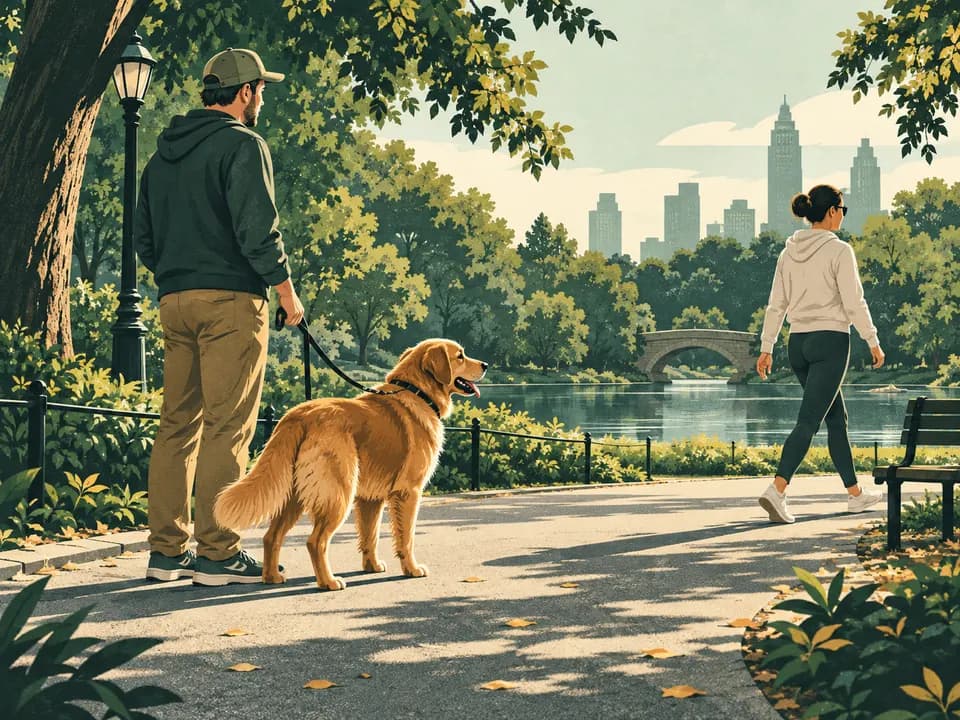
A dog encounter may happen at a home, park, business, or public path. Ownership, lawful presence, prior conduct, and state law can change the analysis. Do not assume that every bite follows the same rule.
Follow medical advice, especially for a deep wound or uncertain vaccination status. If possible, save the owner or handler details, witness names, photos, treatment records, and local animal-control report. Do not approach the animal again for evidence.
The owner or handler, property operator, and local animal-control agency can each have different information. Ask a lawyer which state rule and factual exceptions matter.
Ask whether the firm handles animal injuries, how it obtains animal-control records, and which filing or notice rules apply in the relevant state.
Ask who would handle the work, whether the firm serves the relevant location, how it communicates, and what its written fee and expense terms mean if there is no recovery.
Identify the host, dog handler, exact area, and why the visitor was there. Keep invitation or delivery records if relevant.
Record whether the area was on or off leash, where the dog approached, and who handled it. A local animal-control report may help identify the animal.
The animal owner and property operator may be different people. Note the exact entry, patio, shop, or walkway without assuming the business knew about the dog.
Keep original files where possible and label later notes as later notes. You can start with what you have; a firm can explain which missing records may matter.
These are possible record holders to ask about. Their involvement and the availability of any record need verification.
Wound care and follow-up instructions
Report and vaccination inquiry when available
Animal identity, location, and insurance questions
State animal-injury rules differ. Prior behavior, ownership, lawful presence, and the details of the encounter may matter. Ask a qualified lawyer which current rule applies; do not rely on a universal “one-bite” description.
CDC dog and bite information ↗
CDC guidance addresses health and reporting questions. Dog-owner liability is governed by the relevant state law.
Hypothetical examples describe questions to investigate, not actual incidents or allegations. State rules and individual facts require review by a qualified lawyer.
Our mission is to make public information about personal injury law firms easier to find, understand, and verify. We organize factual directory records, practical legal education, and links to official sources so people can begin their research with greater clarity.
Our philosophy is accuracy before promotion, clarity before complexity, and corrections whenever reliable evidence shows that a listing has changed. Directory inclusion is informational and is never presented as a legal recommendation.